
343 Airport Rd.
760-721-5500
Owning a BMW is more than just driving a car, it’s an experience that combines luxury, performance, and precision engineering. However, like all vehicles, your BMW requires regular maintenance to keep it running smoothly, and one of the most critical components to monitor is the battery. Knowing when to replace your BMW battery can save you from unexpected breakdowns and ensure your car performs at its best.
In this blog post, we’ll explore the signs that indicate it’s time for a new battery, the importance of timely replacement, and tips for maintaining battery health. Stay ahead of potential issues and keep your BMW in peak condition by understanding when it’s time to replace the battery.
Owning a BMW is synonymous with enjoying top-notch performance and luxury. However, to keep your BMW running smoothly, it’s crucial to pay attention to its battery health. Knowing the signs that indicate it’s time for a new battery can save you from unexpected breakdowns and ensure your car remains reliable. Here are the key signs that suggest it’s time to replace your BMW battery.
If your engine is slow to start or cranks more slowly than usual, this is a clear sign that your battery is weakening. A healthy battery provides a powerful burst of energy to start the engine, but a diminished power output means the battery is struggling to deliver the necessary energy. This slow crank can lead to increased wear on your starter motor and may eventually prevent the car from starting altogether.
Modern BMWs come equipped with advanced onboard diagnostics. If you see the battery warning light illuminated on your dashboard, it signals an issue with your battery or the charging system. This light could indicate a variety of problems, from a dying battery to an alternator that’s not charging correctly. Immediate attention to this warning can prevent more significant issues down the line.
Dimming headlights are a common symptom of a failing battery. If you notice your headlights are less bright or your interior lights flicker, it might be due to insufficient power from the battery. Additionally, other electrical components like power windows, radio, and climate control systems may also malfunction. These issues arise because the battery is not providing a consistent voltage to the vehicle’s electrical system.
Needing frequent jump starts is a major red flag for a failing battery. While jump-starts can temporarily revive your car, they are not a sustainable solution. If you find yourself needing to jump-start your car regularly, it’s a strong indicator that your battery is nearing the end of its lifespan. Replacing the battery before it completely fails can save you from being stranded unexpectedly.
The age of your battery is a significant factor in its reliability. Typically, car batteries last between 3 to 5 years. If your BMW’s battery falls within this age range, it’s prudent to consider replacing it proactively. Even if the battery appears to be working fine, its ability to hold a charge diminishes over time, increasing the risk of sudden failure.
A swollen or bloated battery case can result from excessive heat and internal short-circuits. This not only reduces the battery’s lifespan but also indicates that internal damage has occurred. A swollen battery can be dangerous, as it might leak acid or even explode. If you notice any swelling, it’s crucial to replace the battery immediately.
Corrosion on the battery terminals and cables can significantly impede the flow of electricity. This corrosion, which often appears as a white, ashy substance on the battery posts, can lead to poor connections and starting problems. While cleaning the corrosion can sometimes restore functionality, persistent corrosion often indicates underlying issues with the battery, suggesting it’s time for a replacement.
Replacing the battery in your BMW typically falls within a regular maintenance schedule, as most car batteries have a lifespan of 3 to 5 years. It is recommended to proactively replace your BMW battery every 4 years to avoid unexpected issues, even if you don’t notice any immediate signs of battery failure. Regular checks and early replacement ensure reliable performance and prevent potential breakdowns, keeping your BMW running smoothly.
Maintaining your BMW’s battery health is crucial for ensuring reliable performance and extending the lifespan of your vehicle. Here are some essential tips to help you keep your BMW battery in top condition.
Conduct visual inspections of your battery regularly. Look for signs of corrosion on the terminals, any physical damage to the battery case, or buildup of dirt and debris. Cleaning the battery terminals and keeping them free of corrosion can ensure a good connection.
Make sure the battery terminals are securely fastened. Loose connections can cause starting issues and can even lead to electrical malfunctions. Tighten the battery clamps periodically to ensure a secure fit.
Frequent short trips can prevent your battery from fully charging. The alternator needs time to recharge the battery after starting the engine, which typically happens during longer drives. Try to limit short trips or combine errands into a longer drive when possible.
Avoid running high-power electrical accessories like the air conditioning, radio, or headlights for extended periods while the engine is idling. Doing so can drain the battery more quickly since the alternator isn’t producing enough power to compensate at low engine speeds.
Ensure that your BMW’s charging system, including the alternator, is functioning properly. A failing charging system can lead to an undercharged battery, reducing its lifespan and performance. Have your charging system checked during regular maintenance visits.
Extreme heat and cold can affect battery performance and longevity. Whenever possible, park your BMW in a garage or shaded area during hot weather, and in a warmer spot during cold weather. Using a battery insulation kit can also help protect against extreme temperatures.
If your BMW sits idle for extended periods, the battery can slowly discharge. Regularly driving your car ensures that the alternator keeps the battery charged. If you know your car will be unused for a while, consider using a battery maintainer or trickle charger to keep the battery charged.
Before leaving your car, make sure all lights (including interior lights) and accessories are turned off. Accidentally leaving these on can drain the battery overnight or while the car is parked for an extended period.
Include battery testing as part of your routine vehicle maintenance. Many auto shops offer battery testing services that can provide an accurate assessment of your battery’s health and predict potential failures before they happen.
Ensure that the battery is properly mounted and secure within its compartment. A loosely mounted battery can vibrate and cause internal damage, which may shorten its lifespan. Check the battery hold-downs and brackets regularly.
For over 14 years, Oceanside Motorsports has provided Oceanside with the absolute BEST customer experience when your car needs work. We go above and beyond to make sure your experience is enjoyable and we ensure top tier repairs with an exceptional warranty. We service all makes and models with a specialty focus on European cars like BMW, Mini, VW, Audi, and Mercedes. Contact us today to schedule an appointment, we can’t wait to meet you!


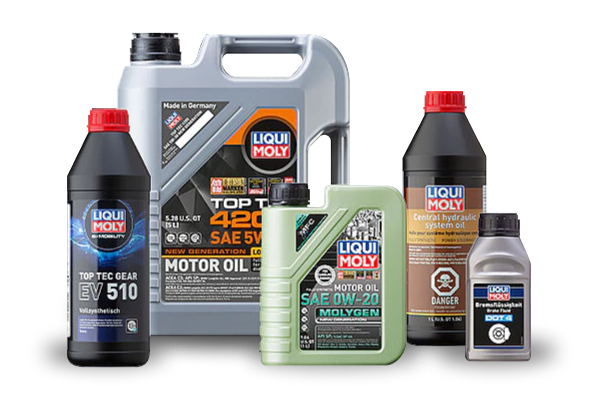
LIFETIME OIL CHANGE MEMBERSHIP INCLUDES UP TO 3 OIL CHANGES PER YEAR – FOREVER. BUY THE PACKAGE AND NEVER PAY FOR ANOTHER OIL CHANGE AGAIN!