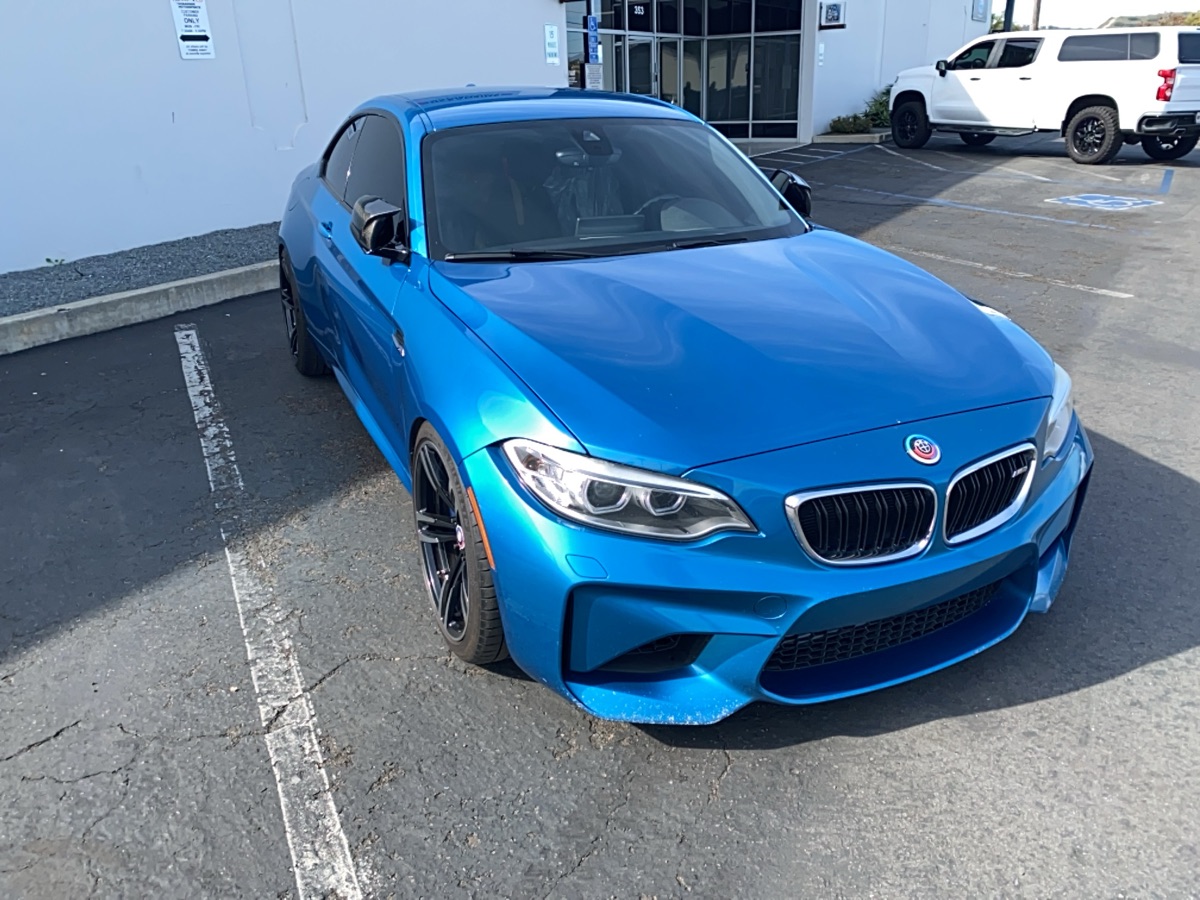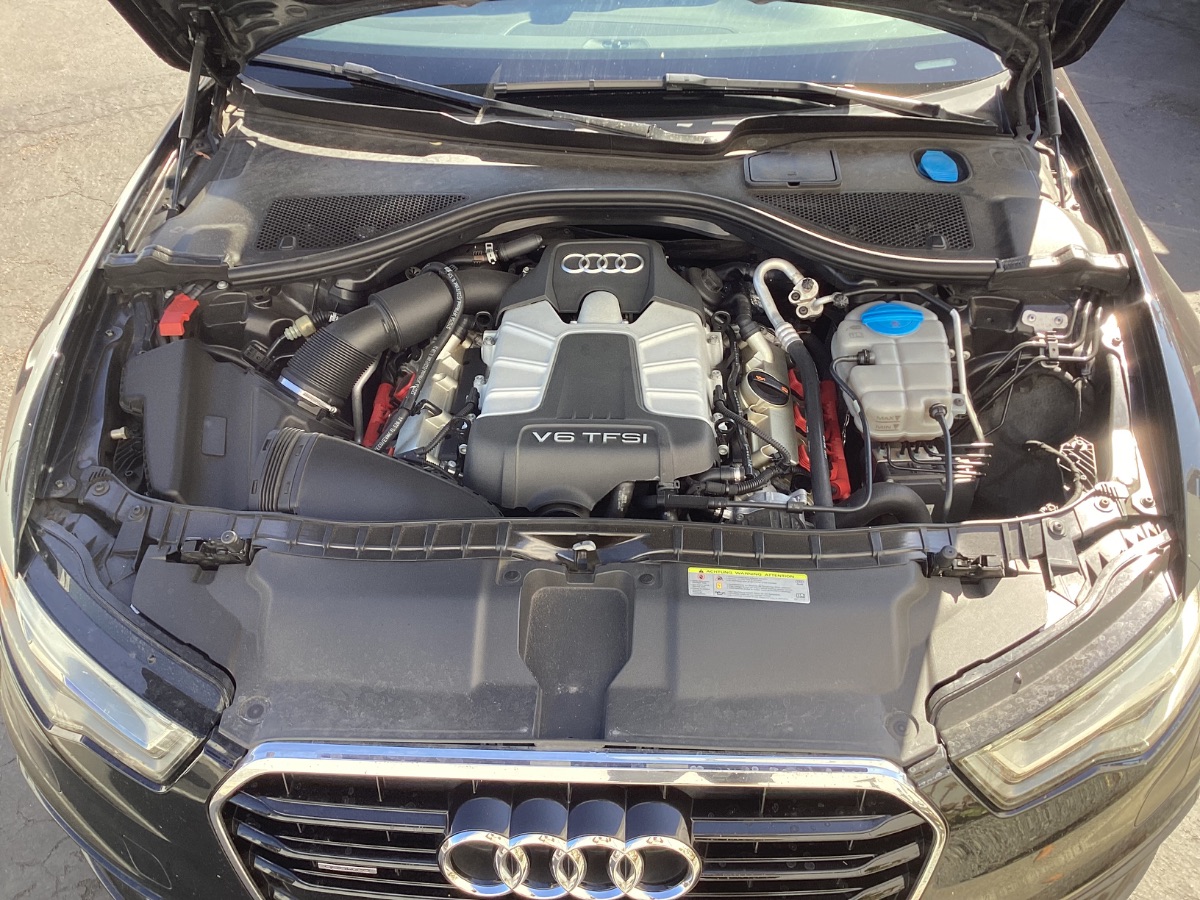

Prevention from oil leaks in your BMW is essential for maintaining its performance and reliability. While BMW models are renowned for their engineering excellence, oil leaks can still occur, particularly in inline engines. These leaks often stem from various points, such as the rear main seal, oil pan gasket, valve cover gasket, oil filter housing, and timing cover gasket.
Regular maintenance, including timely oil changes and inspections, along with proper driving habits and prompt attention to any signs of leakage, are crucial steps in preventing oil leaks and preserving your BMW’s longevity. Here at Oceanside Motorsports, we can find out what’s wrong with your BMW with our diagnostic testing to ensure you’re only spending money on what needs to be fixed.
Preventing oil leaks in your BMW involves regular maintenance and some proactive measures. Here are some ways to prevent oil leaks. By following these preventive measures and staying proactive with your BMW’s maintenance, you can significantly reduce the risk of oil leaks and keep your engine running smoothly.
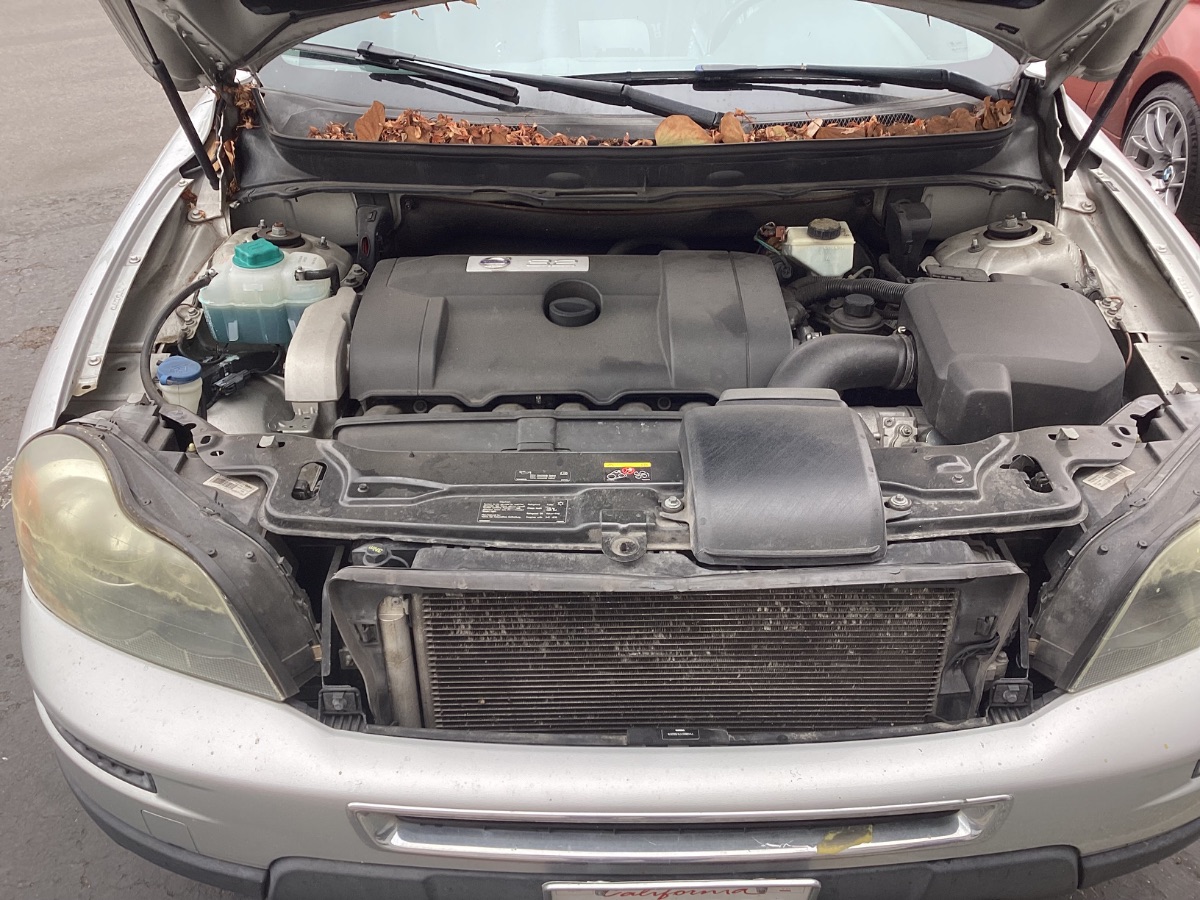
Regularly inspecting your BMW’s engine for oil leaks is essential for maintaining its performance and preventing potential damage. During these inspections, carefully examine the area under the car for any oil stains or puddles, which could indicate a leak.
Maintaining the correct oil level in your BMW is crucial to prevent oil leaks and ensure optimal engine performance. Low oil levels can lead to increased friction and heat within the engine, putting additional strain on seals and gaskets. This heightened stress can cause these components to degrade more quickly, making them more prone to leaks.
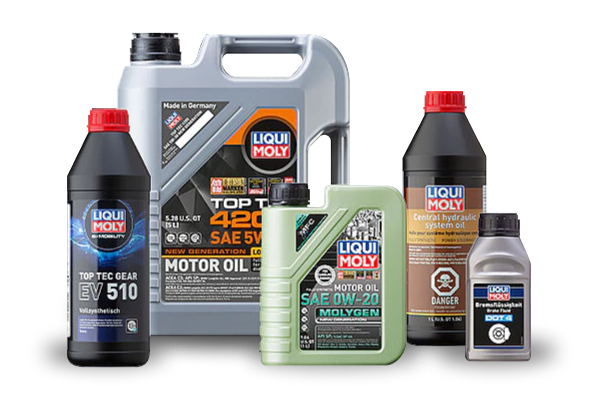
Using high-quality engine oil that meets BMW’s specifications is vital for preserving the integrity of your vehicle’s engine and minimizing the risk of oil leaks. Inferior quality oils may lack the necessary additives and lubricating properties required to protect engine components effectively. As a result, they can accelerate wear and tear on critical parts, including seals and gaskets, making them more susceptible to leakage.
As your BMW ages, seals and gaskets naturally deteriorate, increasing the risk of oil leaks. To mitigate this, it’s essential to incorporate regular replacement of these components into your BMW’s maintenance schedule, particularly during major servicing intervals. By proactively replacing worn seals and gaskets, you can prevent oil leaks before they occur, ensuring the integrity of your engine and preserving its performance
Regularly inspecting the oil filter housing for any signs of leaks is essential to maintain the integrity of your BMW’s engine. Leaks from the oil filter housing can result from a faulty gasket or a loose connection, potentially leading to oil seepage and contamination.
The valve cover gasket plays a critical role in sealing the valve cover to prevent oil leaks in your BMW’s engine. However, over time, this gasket can degrade due to exposure to heat and engine oil, leading to potential leaks. It’s important to inspect the valve cover gasket regularly during routine maintenance checks and replace it if any signs of wear or leakage are detected.
The oil pan gasket is another critical component that can degrade over time, potentially leading to oil leaks in your BMW’s engine. Regularly inspecting the oil pan gasket for signs of leakage is essential to prevent such issues. If you notice any oil seepage or signs of wear around the oil pan area, it’s crucial to replace the gasket promptly.
The Positive Crankcase Ventilation (PCV) system plays a crucial role in regulating pressure within your BMW’s engine by venting harmful gasses. However, if the PCV system malfunctions, excess pressure can build up, potentially causing oil leaks and other engine issues. It’s essential to monitor and maintain the PCV system as per BMW’s recommendations to ensure proper functioning.
Aggressive driving habits, such as harsh acceleration and braking, can significantly strain your BMW’s engine components, potentially leading to oil leaks. The excessive forces generated during aggressive driving can put undue stress on seals, gaskets, and other critical engine parts, compromising their integrity over time.
Promptly addressing any signs of oil leaks or other engine issues in your BMW is crucial to prevent further damage and maintain optimal performance. Ignoring these warning signs can lead to more significant problems over time, potentially resulting in costly repairs and engine damage. Whether it’s a visible oil leak, unusual engine noises, or warning lights on the dashboard, taking immediate action can help identify and resolve issues before they escalate.

For over 14 years, Oceanside Motorsports has provided Oceanside with the absolute BEST customer experience when your car needs work. We go above and beyond to make sure your experience is enjoyable and we ensure top tier repairs with an exceptional warranty. We service all makes and models with a specialty focus on European cars like BMW, Mini, VW, Audi, and Mercedes. Contact us today to schedule an appointment, we can’t wait to meet you!