



343 Airport Rd.
760-721-5500
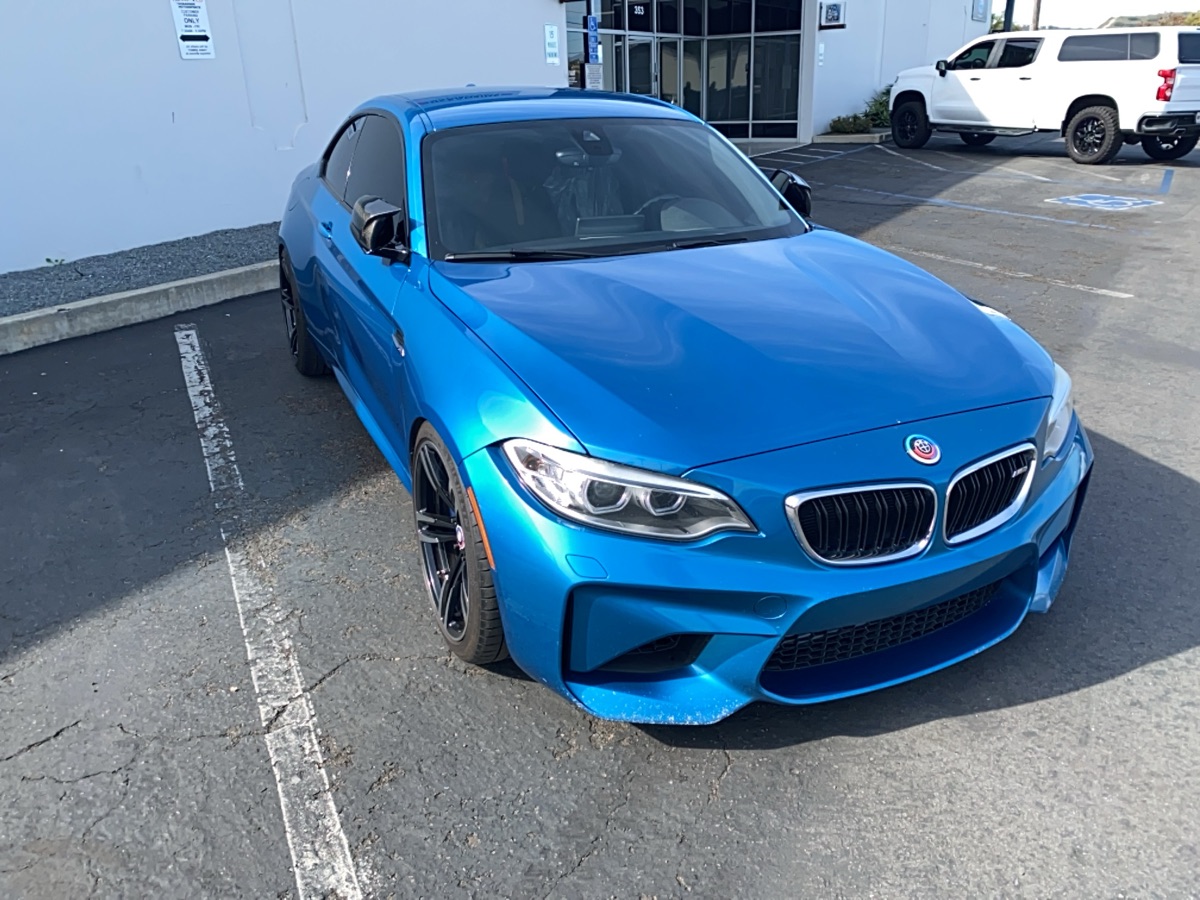
When a BMW goes into limp mode, it’s akin to a protective measure initiated by the car’s onboard computer, the Engine Control Unit (ECU). This safeguard is activated when the ECU senses a potentially harmful issue that could compromise the engine or transmission. In response, the ECU limits the engine’s power output, resulting in decreased performance, but aims to prevent further damage. This precautionary action is triggered by a range of potential problems, including faulty sensors, transmission malfunctions, or electrical anomalies.
To pinpoint the specific issue, mechanics utilize diagnostic tools to retrieve error codes stored in the ECU, enabling targeted repairs to rectify the problem and restore the vehicle’s functionality, thus averting potential long-term damage. Here at Oceanside Motorsports, we can find out what’s wrong with your BMW with our diagnostic testing to ensure you’re only spending money on what needs to be fixed.
Several factors could cause a BMW to go into limp mode, where the vehicle’s engine power is significantly reduced to prevent further damage. Some common reasons include the following. To diagnose the specific cause of limp mode in your BMW, it’s best to have the vehicle scanned for trouble codes using a diagnostic scanner. This will provide more insight into the underlying issue causing the limp mode condition, allowing for proper diagnosis and repair. If you’re not comfortable diagnosing or repairing the issue yourself, it’s recommended to take your BMW to a qualified German mechanic like Oceanside Motorsports for further inspection and repair.
Modern vehicles rely heavily on various sensors to monitor crucial parameters for optimal performance. Sensors like the mass airflow sensor, throttle position sensor, and oxygen sensor provide data to the engine control unit (ECU), which then adjusts fuel delivery and other engine functions accordingly. If any of these sensors fail or provide incorrect readings, the ECU may put the vehicle into limp mode to prevent potential damage or unsafe driving conditions.
The electrical system in a vehicle is essential for powering various components and ensuring smooth operation. Issues such as a failing alternator, battery, or wiring problems can disrupt the electrical supply to critical systems, including the engine and transmission control modules. This disruption can lead to erratic behavior or malfunctions that trigger limp mode as a safety precaution.
The transmission is responsible for transferring power from the engine to the wheels and plays a crucial role in the vehicle’s overall performance. Problems like low fluid levels, a faulty solenoid, or issues with the transmission control module can interfere with gear shifting and transmission operation. In response to these issues, the vehicle may enter limp mode to prevent further damage or drivability issues.
The engine is the heart of the vehicle, and any problems with its operation can have serious consequences. Issues like overheating, low oil pressure, or a misfiring cylinder can indicate potential damage or imminent failure. To protect the engine from further harm, the vehicle’s ECU may engage limp mode, limiting performance and preventing the driver from causing additional damage.
Turbocharged engines use a turbocharger to increase power output by forcing more air into the combustion chamber. Problems with the turbocharger, such as a boost leak, wastegate malfunction, or turbocharger failure, can disrupt this process and affect engine performance. In response, the ECU may activate limp mode to prevent engine damage and ensure safe operation until the issue is resolved.
Modern vehicles rely heavily on electronic control modules to manage various systems and functions. If there’s a malfunction or software glitch in the engine control unit (ECU), transmission control module (TCM), or other control modules, it can lead to erratic behavior or incorrect operation. To prevent potential safety hazards or damage, the vehicle may enter limp mode until the issue can be diagnosed and resolved.
Regularly scheduled maintenance, using quality OEM parts and fluids, and staying vigilant with sensor and electrical component inspections are essential for preventing limp mode in your BMW. Additionally, monitoring fluid levels, addressing turbocharger concerns promptly, and staying updated with software patches contribute to a smoother driving experience. By prioritizing these measures, you can minimize the risk of encountering unexpected issues and ensure your BMW runs reliably for years to come.
For over 14 years, Oceanside Motorsports has provided Oceanside with the absolute BEST customer experience when your car needs work. We go above and beyond to make sure your experience is enjoyable and we ensure top tier repairs with an exceptional warranty. We service all makes and models with a specialty focus on European cars like BMW, Mini, VW, Audi, and Mercedes. Contact us today to schedule an appointment, we can’t wait to meet you!


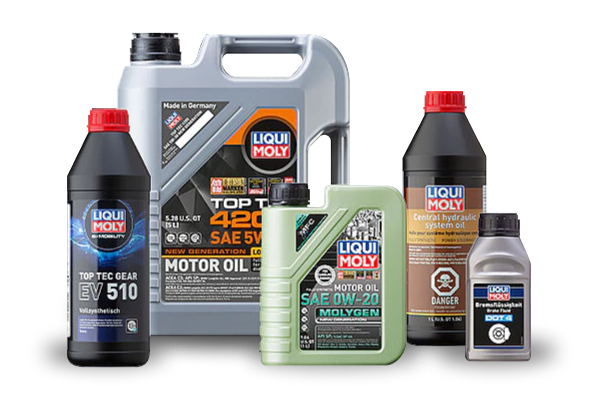
LIFETIME OIL CHANGE MEMBERSHIP INCLUDES UP TO 3 OIL CHANGES PER YEAR – FOREVER. BUY THE PACKAGE AND NEVER PAY FOR ANOTHER OIL CHANGE AGAIN!