
343 Airport Rd.
760-721-5500
A ticking noise from your BMW engine could stem from various sources, ranging from normal valve train operation to potential issues like low engine oil or worn timing components. Regular oil level checks and using the recommended viscosity and quality of engine oil help maintain proper lubrication, reducing friction and mitigating ticking noises. Additionally, scheduled inspections by our experienced technicians can detect early signs of worn components like timing chains or hydraulic lifters, allowing for timely replacements and preventing further engine noise issues.
Promptly addressing these symptoms with the assistance of a qualified German auto repair like Oceanside Motorsports can help prevent further damage and ensure the continued performance of your BMW. Here at Oceanside Motorsports, we can find out what’s wrong with our diagnostic testing to ensure you’re only spending money on what needs to be fixed.
A ticking noise in a BMW engine can be caused by several factors, and diagnosing the exact cause may require a closer inspection. However, some common reasons for a ticking sound in BMW engines include the following. If you’re experiencing a ticking noise in your BMW engine, it’s advisable to have it inspected by a qualified German mechanic like Oceanside Motorsports. We can perform diagnostic tests to identify the root cause of the noise and recommend the necessary repairs to restore optimal engine performance.
Ticking noises in BMW engines can often be linked to the normal operation of the valve train, particularly in engines equipped with mechanical valve lifters. During engine operation, the lifters and valves come into contact, generating a ticking sound. While this is typically considered a normal characteristic of the engine, prolonged or excessive ticking could signal underlying issues with worn or damaged components within the valve train.
Insufficient lubrication within the engine can indeed lead to heightened friction between its components, often resulting in noticeable ticking noises. To mitigate this issue, regular checks of the engine oil level are essential, ensuring it meets the recommended level for proper lubrication. Additionally, adhering to BMW’s specifications regarding the correct viscosity and quality of engine oil is paramount. By using the appropriate oil, the engine’s moving parts are adequately lubricated, promoting optimal performance and reducing unwanted noise.
A worn timing chain or tensioner can produce a ticking or rattling noise as they operate. Over time, these components can wear out, leading to increased slack in the timing chain and resulting in noise. Timely replacement of worn timing components can help prevent further damage and reduce engine noise.
In engines equipped with hydraulic valve lifters, a malfunctioning lifter can produce ticking sounds. Hydraulic lifters rely on engine oil pressure to maintain proper operation. If a lifter becomes stuck or fails to maintain pressure, it can produce noise as it interacts with the camshaft.
A leak in the exhaust system, such as a cracked manifold or damaged gasket, can produce ticking or hissing noises as exhaust gasses escape. Inspecting the exhaust system for leaks and addressing any issues can help eliminate this source of noise.
For over 14 years, Oceanside Motorsports has provided Oceanside with the absolute BEST customer experience when your car needs work. We go above and beyond to make sure your experience is enjoyable and we ensure top tier repairs with an exceptional warranty. We service all makes and models with a specialty focus on European cars like BMW, Mini, VW, Audi, and Mercedes. Contact us today to schedule an appointment, we can’t wait to meet you!


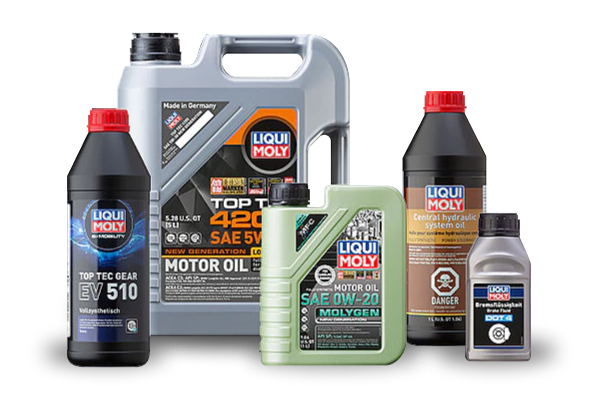
LIFETIME OIL CHANGE MEMBERSHIP INCLUDES UP TO 3 OIL CHANGES PER YEAR – FOREVER. BUY THE PACKAGE AND NEVER PAY FOR ANOTHER OIL CHANGE AGAIN!