
343 Airport Rd.
760-721-5500
The frequency at which you should replace your tires is influenced by a combination of factors. Your driving habits, the conditions of the roads you travel, and how well you maintain your tires collectively determine their lifespan. Regular tire maintenance, including proper inflation, routine rotations, and wheel alignments, can significantly extend the life of your tires. Additionally, driving in harsh conditions or adopting aggressive driving habits can accelerate tire wear, necessitating more frequent replacements. Being attentive to visual signs of wear, checking tread depth, and adhering to manufacturer recommendations are essential practices to determine the optimal time for tire replacement. By considering these factors, you can ensure the longevity and performance of your tires, promoting a safer and more efficient driving experience. The frequency of tire replacement depends on several factors, including driving habits, road conditions, and tire maintenance. Here are some general guidelines to consider. Tires should be replaced when the tread depth reaches 2/32 inches. Many experts, however, recommend replacing tires before reaching this legal minimum to ensure optimal safety and performance. Consider replacement when the tread depth reaches 4/32 inches for better traction, especially in wet or slippery conditions. Tires age, regardless of tread depth, and it’s generally recommended to replace them every 6 to 10 years, even if they appear to have sufficient tread. The aging process can affect the tire’s structural integrity, making them more prone to failure. Harsh driving conditions, such as frequent stop-and-go traffic, aggressive driving, or exposure to extreme temperatures, can accelerate tire wear. In such conditions, more frequent tire replacements may be necessary. Regular tire maintenance, including proper inflation, tire rotations, and wheel alignments, can significantly extend the lifespan of your tires. Follow the recommended maintenance schedule outlined in your vehicle’s manual. Conduct regular visual inspections of your tires for signs of wear, damage, or irregularities. If you notice bulges, cuts, or uneven wear patterns, it may be an indication that replacement is needed. Refer to the tire manufacturer’s guidelines for specific recommendations on tire lifespan and replacement intervals. Each tire model may have unique characteristics and recommendations. Aggressive driving, hard braking, and high-speed driving can contribute to accelerated tire wear. Adjust your driving habits to minimize unnecessary stress on the tires.It’s crucial to be proactive about tire maintenance and replacement to ensure your vehicle’s safety and performance. If you’re uncertain about the condition of your tires or when to replace them, consult with a qualified tire professional for a thorough inspection and personalized advice based on your driving habits and specific tire characteristics. We put in the hard work to be your ultimate choice for car service needs, and when it comes to tire replacement, we’ve got you covered. While we initially specialized in European cars like BMW, Mini, Audi, VW, and Mercedes, our expertise has expanded to include a wide range of vehicles. From Land Rover and Jaguar to Tesla and even some Asian and Domestic cars – we’ve broadened our capabilities to cater to all your tire replacement needs. In essence, when it comes to tires, we do it all. Trust us to ensure your vehicle hits the road with the right set of wheels, regardless of its make or model. Excellence in tire service is what we deliver, no matter what you drive. Contact us today to schedule an appointment!Several Factors To Consider
Tread Depth
Age
Driving Conditions
Maintenance
Visual Inspection
Manufacturer Recommendations
Driving Style
Trust Oceanside Motorsports for Tire Replacement



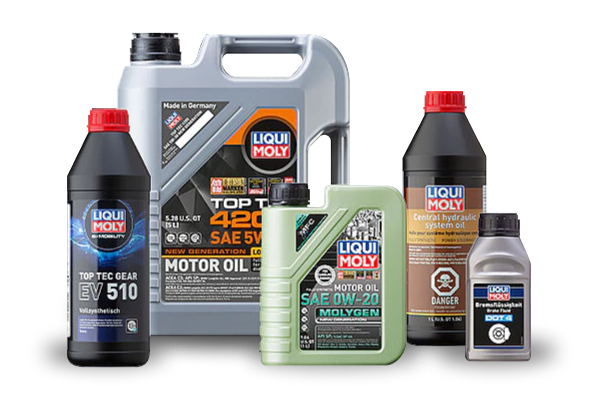
LIFETIME OIL CHANGE MEMBERSHIP INCLUDES UP TO 3 OIL CHANGES PER YEAR – FOREVER. BUY THE PACKAGE AND NEVER PAY FOR ANOTHER OIL CHANGE AGAIN!